HairSkin® ex vivo skin model

Study hair and scalp biology in a relevant human tissue context

HairSkin®: ex vivo human skin model with hair follicles

HairSkin® is an ex vivo human skin model with hair follicles and mature pilosebaceous units, designed for pharmaceutical, cosmetic, dermatology, and haircare research. By preserving natural architecture of human skin, hair follicles, sebaceous glands, and immune cells, HairSkin® helps generate relevant human proof-of-concept data to evaluate hair follicle biology, sebaceous gland function, and the local efficacy and toxicity of topical treatments, drugs, and cosmetics.
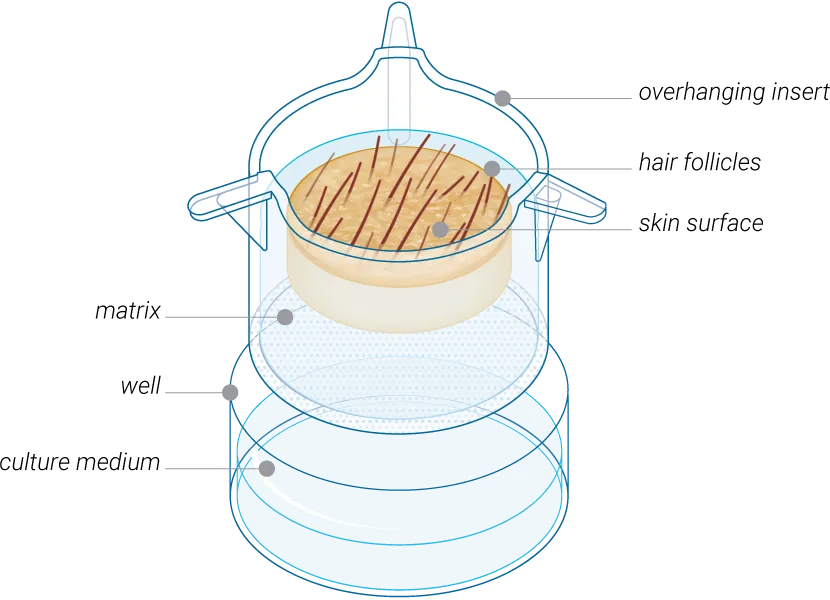
HairSkin ex vivo human skin model with hair follicles

The Challenge

Hair care and hair drug development require models that can capture the complexity of human hair and scalp biology. Yet many existing models fail to reproduce the biology of the hair follicle, making it difficult to generate data that truly reflects human response, especially when studying scalp health, inflammation, and follicle-related disorders.

HairSkin® can help overcome these challenges by providing an ex vivo human skin model with mature hair follicles and pilosebaceous units. By preserving the natural architecture of human skin, scalp tissue, and its appendages, HairSkin® enables researchers to evaluate products, ingredients, and therapeutic candidates in a more relevant human biological context.

For cosmetic, personal care, and pharmaceutical companies, HairSkin® supports more confident decision-making by providing actionable human data earlier in the development process, from scalp health preservation to anti-inflammatory strategies and hair-focused innovation.

Applications
Hair follicle biology research
Hair follicle biology research

Investigate hair follicle biology & sebaceous gland function
Explore the interplay between hair, pilosebaceous units, & the surrounding skin environment
Dermatology and cosmetic research
Drug efficacy & toxicity assessment
Drug efficacy & toxicity assessment

Test therapeutics & topical treatments for hair care claims
Assess local efficacy & toxicity of drugs and cosmetics for scalp and skin health
Skin condition models

Skin condition models

Alopecia model development
Acne model development
Scalp inflammation modeling

Standardized production process for actionable data

Genoskin implements a standardized workflow to produce reliable, consistent, and ready-to-use human skin models. Thanks to a patented technology, we ensure that every model is standardized, providing accurate and reproducible results.
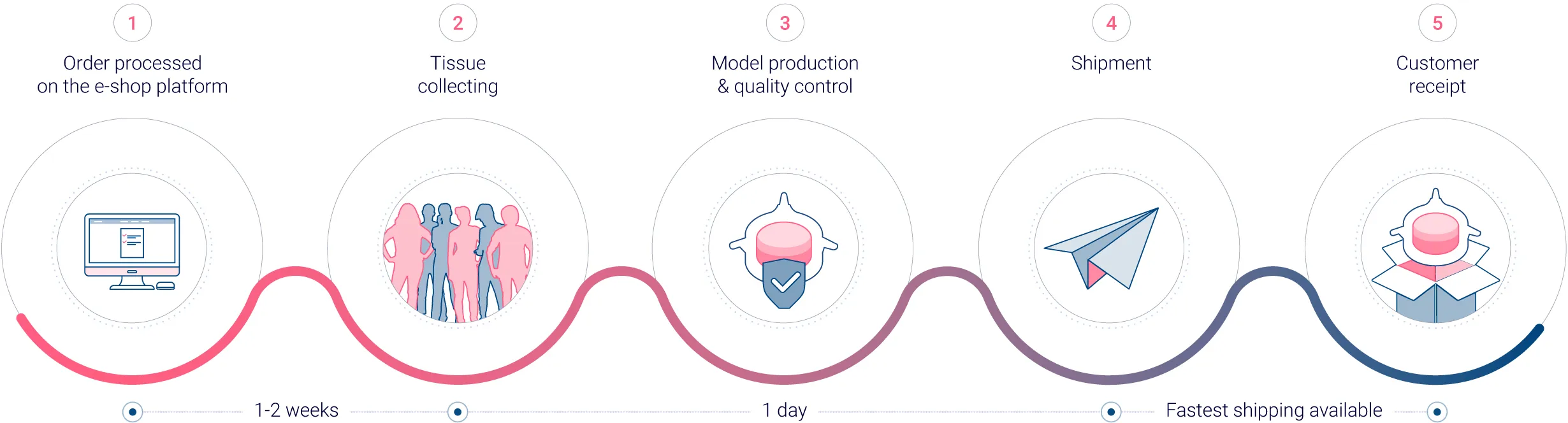
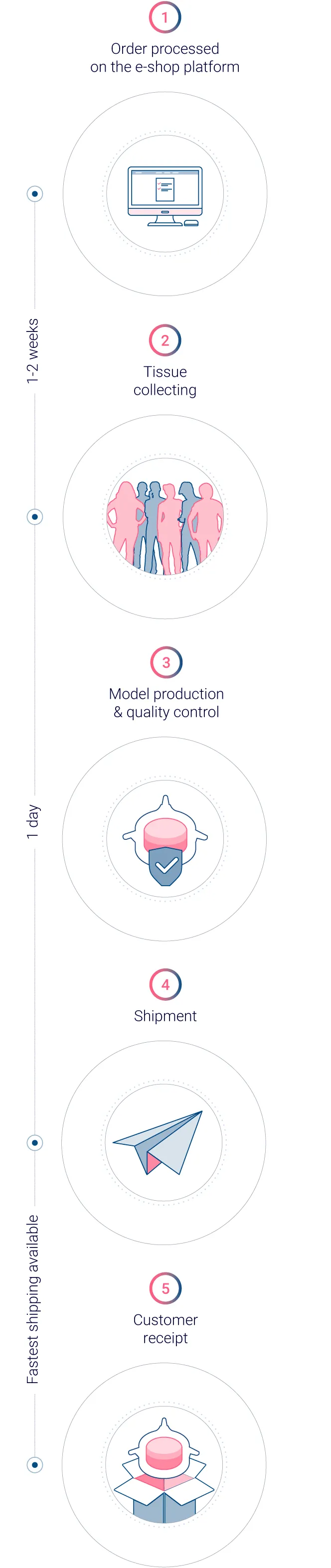
Standardized production process for actionable data

Biological validation data

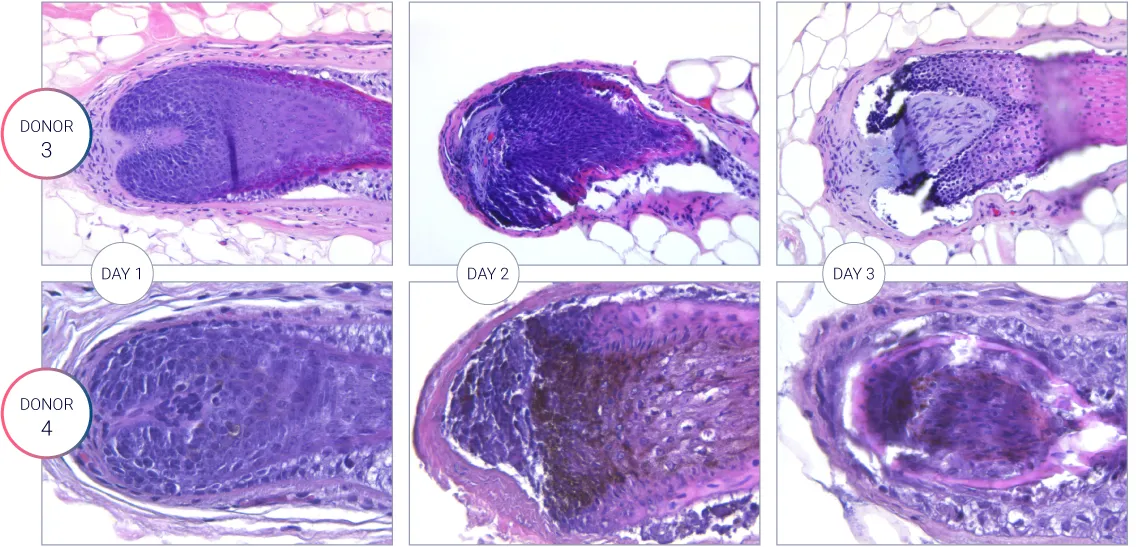
Viability of the hair follicle
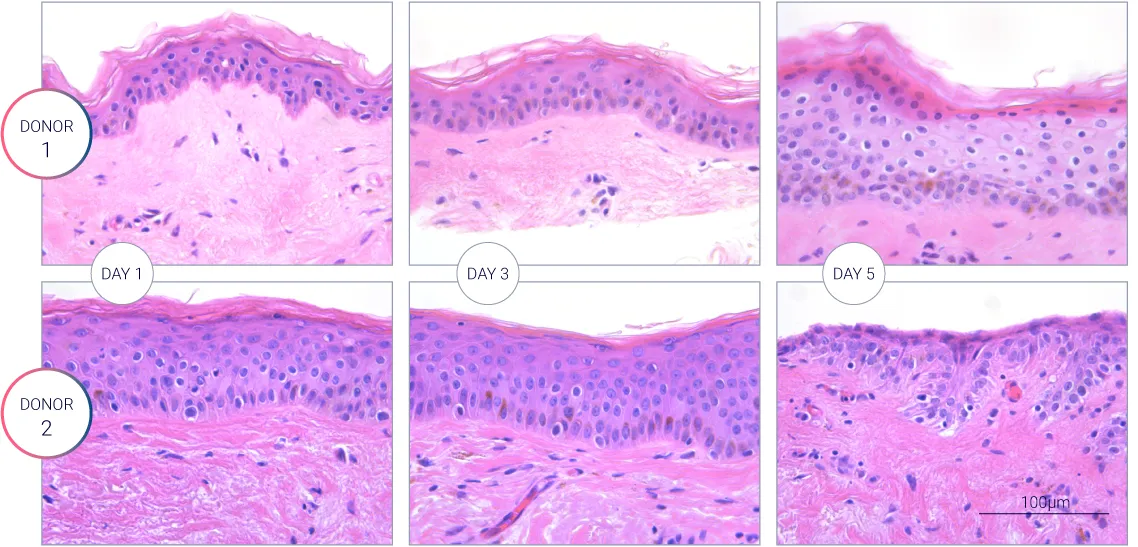
H&E staining showing the hair follicle characterization during the culture. Viability of the hair follicle measured over 3 days for different donors

Figure: H&E staining showing the hair follicle characterization during the culture. Viability of the hair follicle measured over 3 days for different donors.

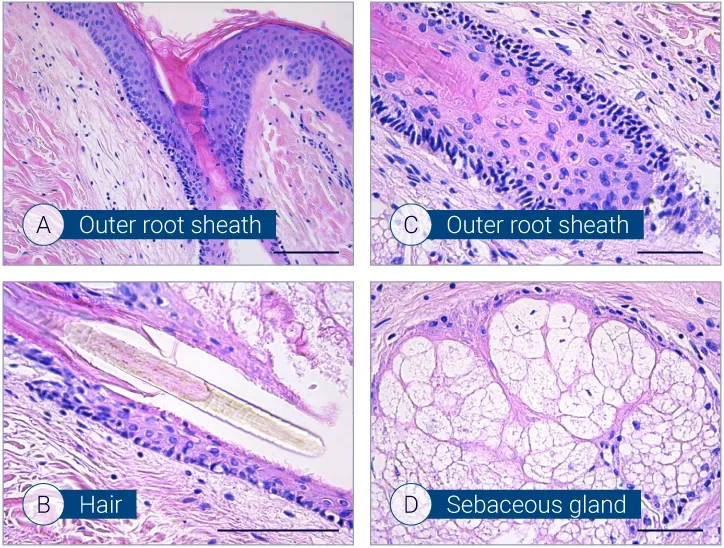
Hair follicle characterization
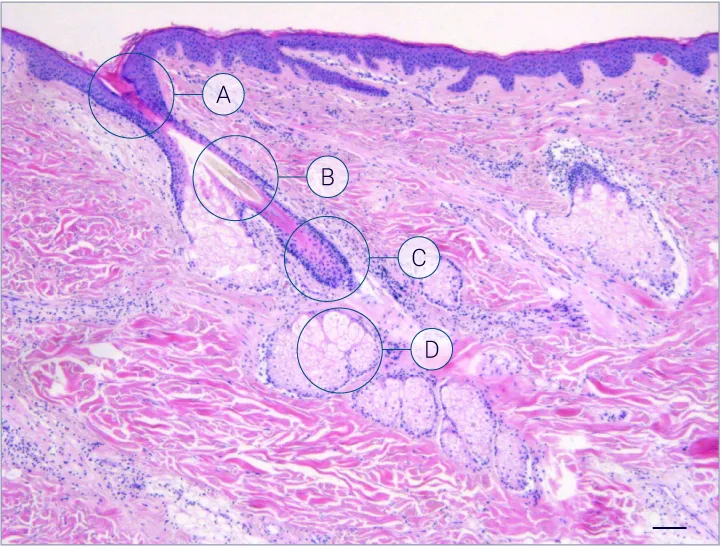
H&E staining showing characterization of hair follicles on HairSkin models

Figure: H&E staining showing characterization of hair follicles on HairSkin® models. 5 µm-thick FFPE sections stained with H&E. Scale bar: 100µm.

The evolution of the wound without treatment has been followed over 11 days by histology and immunofluorescence. The data are showing the closing of the wound over time.

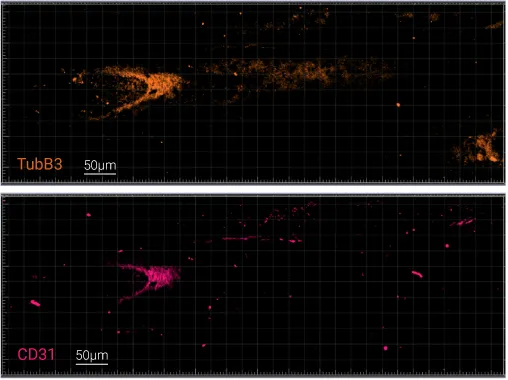
Characterization of immune cells and nerve endings
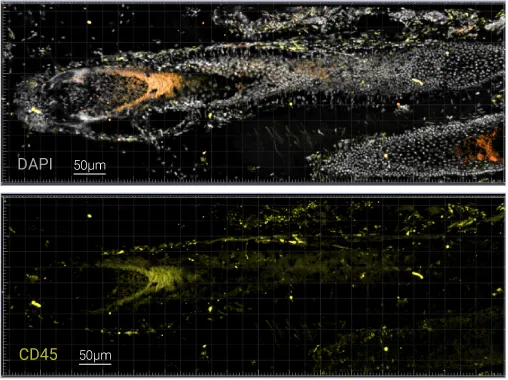
Structural and activation markers analysis performed on a tissue cryosection with a thickness of 40µm: DAPI (nucleus), CD45 (immune cells), Tubulin β3 (nerve endings), CD31 (blood vessels)

Figure: Structural and activation markers analysis performed on a tissue cryosection with a thickness of 40µm: DAPI (nucleus), CD45 (immune cells), Tubulin β3 (nerve endings), CD31 (blood vessels).

Order WoundSkin access

Order HairSkin® access

Try it in your own lab

Order our shippable HairSkin® models via our online platform and get them delivered straight to your lab ready-for-use, along with a step-by-step user manual.

Frequently asked questions

What is HairSkin®?

HairSkin® is an ex vivo human skin model containing real human hair follicles and sebaceous glands, designed to study hair and scalp biology in a relevant human tissue context.

What makes HairSkin® different from other human skin models?

HairSkin® stands out because it preserves real human hair follicles and sebaceous glands within their native skin environment.

What research applications is HairSkin® suitable for?

HairSkin® is suitable for hair and scalp research applications, including hair follicle biology research, scalp health preservation, inflammation studies, sebaceous gland activity, sebum-related mechanisms, and the evaluation of cosmetic ingredients, hair care products, and therapeutic candidates.

How long does the model remain viable?

HairSkin® models remain viable for 3 days of culture, enabling several days of ex vivo research studies on real human skin with hair follicles and sebaceous glands.

Where does the tissue used for HairSkin® come from?

HairSkin® is produced from ethically sourced human skin samples obtained from facelift procedures, donated with informed consent from each donor. Genoskin works with hospitals and clinics under strict ethical, legal, and quality requirements to ensure donor confidentiality, tissue traceability, and responsible use for research.

Is HairSkin® ready to use upon delivery?

Yes. HairSkin® is delivered ready to use and needs to be used upon receipt, after a 1-hour recovery incubation period.

Citation and references

September 2022 - Transcriptome Analysis of Particulate Matter 2.5-Induced Abnormal Effects on Human Sebocytes.

Na HW, Kim HS, Choi H, Cha N, Seo YR, Hong YD, Kim HJ. Transcriptome Analysis of Particulate Matter 2.5-Induced Abnormal Effects on Human Sebocytes. Int J Mol Sci. 2022 Sep 29;23(19):11534. doi: 10.3390/ijms231911534. PMID: 36232834; PMCID: PMC9570376.

September 2023 - Evaluating the Impact of Hair Care Product Exposure on Hair Follicle and Scalp Health

Fung ES, Parker JA, Monnot AD. Evaluating the Impact of Hair Care Product Exposure on Hair Follicle and Scalp Health. Altern Lab Anim. 2023 Sep;51(5):323-334. doi: 10.1177/02611929231190863. Epub 2023 Aug 9. PMID: 37556725.

Contact us

Should you need more details on any of the above applications or publications, don’t hesitate to contact us.